
Proudly Servicing South Denver Metro


Rated 4.9 on Google
Mountain Home vs. Front Range Plumbing: Winterization Differences Colorado Homeowners Should Know
Serving Greenwood Village, Parker, Centennial and Beyond!
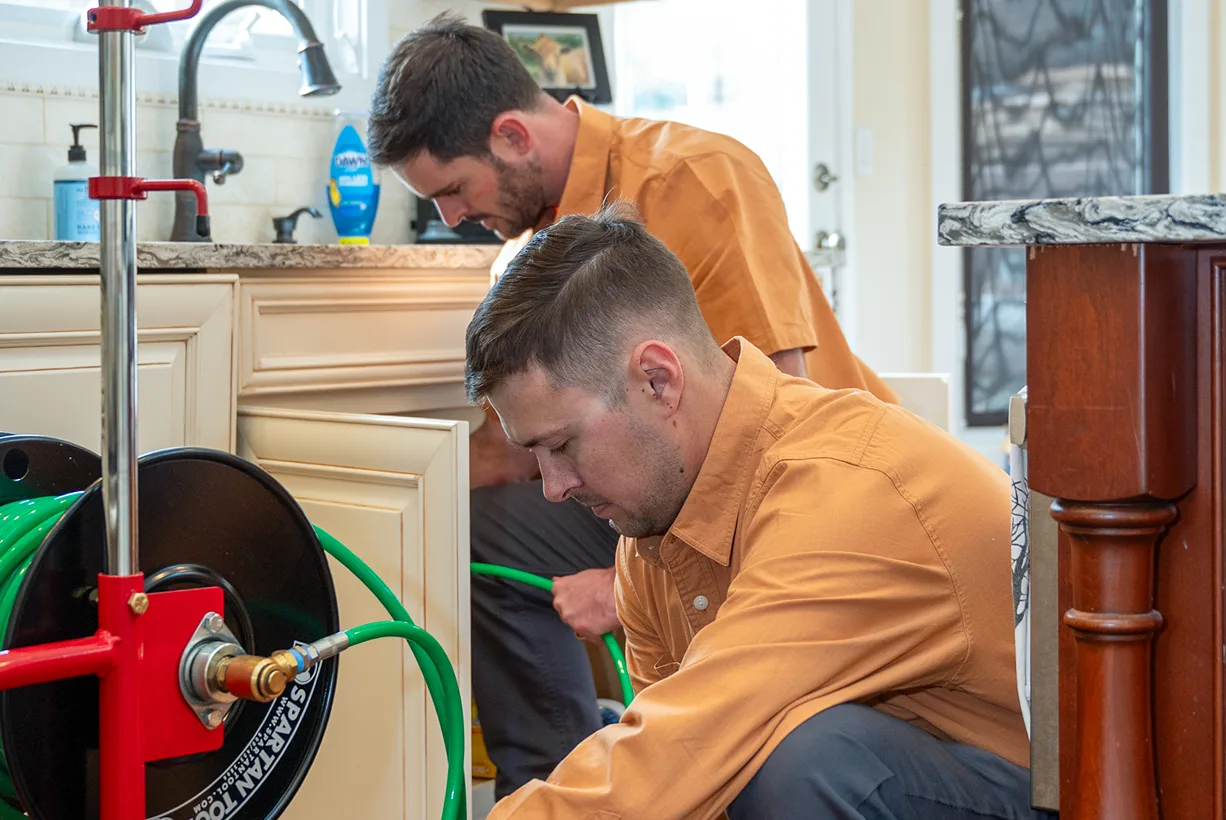
Winter plumbing preparation matters anywhere in Colorado, but winterizing a home in the mountains can look very different from preparing a house on the Front Range for cold weather.
A homeowner in Centennial or Parker may be thinking about disconnecting garden hoses and protecting an outdoor faucet before the first hard freeze. Someone with a mountain property may be preparing for extended periods below freezing, deep snow, a private well, exposed plumbing, or even a home that will sit empty for weeks at a time.
The goal is the same: keep water flowing where it should and prevent frozen pipes, leaks, and expensive water damage. How you get there depends a lot on where your Colorado home is located.
Why Colorado Plumbing Winterization Is Not One-Size-Fits-All
Colorado is known for dramatic temperature swings. A relatively comfortable afternoon can turn into a freezing night quickly, and winter weather can vary widely by elevation and location.
Homes also vary. A newer Front Range home in a planned neighborhood may have most of its plumbing safely inside the building envelope. A mountain cabin might have pipes running through a crawl space, well equipment outside the home, or plumbing that was added or modified over the years.
That is why good Colorado plumbing winterization starts with the property itself. Where are the vulnerable pipes? How is the home heated? Is it on municipal water or a well? Will someone be living there throughout the winter? Are there areas of the home that stay noticeably colder?
Front Range Homes: Prepare for Sudden Freezes
Along the Front Range, one of the biggest plumbing concerns is the sudden temperature drop. Homeowners in communities like Centennial, Parker, Greenwood Village, and Littleton can enjoy relatively mild weather one day and then face freezing temperatures shortly afterward.
Outdoor plumbing is an obvious place to start. Disconnect garden hoses before freezing weather arrives. Check exterior faucets for leaks, and know whether your hose bibs are frost-resistant or need extra protection.
Pipes in garages, basements, crawl spaces, and near exterior walls also deserve attention. If a bathroom, laundry room, or utility area consistently feels colder than the rest of the house, the plumbing there may be more susceptible to freezing.
Another simple step is knowing where your main water shutoff is located. If a pipe freezes and bursts, being able to shut off the water quickly can make a major difference in the amount of damage.
Mountain Homes Face Longer and More Persistent Cold
Mountain properties may require a more thorough winterization strategy. Instead of worrying mainly about an overnight freeze, mountain homeowners may face extended periods of very cold weather. Higher elevations can also mean heavier snow, stronger winds, and plumbing systems that have fewer opportunities to warm back up during the day.
This makes insulation and heat particularly important. Inspect plumbing in crawl spaces, utility rooms, garages, exterior walls, and other vulnerable locations before winter settles in. Even a pipe that made it through previous winters can become a problem if insulation has shifted, a draft has developed, or a heating system no longer keeps an area as warm as it used to.
For mountain home plumbing in Colorado, it is worth looking beyond the obvious pipes under the kitchen sink. You may need to consider the entire water system.
Wells Add Another Layer of Winter Preparation
Many mountain and rural Colorado properties rely on private wells rather than municipal water. That changes the winterization checklist.
Well houses, pressure tanks, supply lines, pumps, and other equipment need adequate protection from freezing temperatures. Exposed or poorly insulated components can create problems even if the plumbing inside the house is warm.
If you have a well, check the areas where water lines enter the house. These transition points can sometimes be more vulnerable because they connect outdoor or underground plumbing to the home’s interior system.
Mountain homeowners should also watch for unusual changes in water pressure. A drop in pressure during extremely cold weather could indicate a developing problem that warrants investigation.
Vacation Homes Need a Different Approach
Colorado’s mountain communities include plenty of second homes, cabins, and vacation properties. These homes create another winter plumbing challenge because they may sit empty for long stretches.
Turning the thermostat down and leaving for a few weeks is not always enough. If a property will be unoccupied, homeowners should consider how to protect the plumbing if the heating system fails or temperatures drop unusually low. Depending on the home and how long it will be vacant, professional winterization may include shutting off the water supply, draining certain plumbing lines, protecting fixtures, and taking additional precautions.
Also consider appliances and plumbing fixtures that hold water. Water heaters, washing machines, dishwashers, toilets, and other equipment may need attention depending on how completely you winterize the property.
If you are unsure how to winterize plumbing in a Colorado vacation home, it is better to have a plumber evaluate the property than to guess. Improperly draining or restarting a plumbing system can create its own problems.
Do Not Forget About Your Water Heater
Whether you live in the mountains or along the Front Range, winter puts additional demands on your water heater. Incoming groundwater is colder, which means your water heater has to work harder to bring it up to temperature. At the same time, most households use more hot water during cold weather.
Before winter, pay attention to signs that your water heater may need service, including:
- Water taking longer than usual to heat
- Running out of hot water faster
- Fluctuating water temperatures
- Unusual noises from the tank
- Rusty or discolored hot water
- Water collecting around the unit
A water heater problem is inconvenient anytime. Finding yourself without hot water during a Colorado cold snap makes it considerably worse.
Insulation Matters, but It Has to Be in the Right Places
Adding pipe insulation can be a useful part of winter preparation, particularly around plumbing located in colder areas. The key is identifying which pipes actually need additional protection.
A professional local Colorado plumber can help identify vulnerable areas that homeowners may overlook, including plumbing near exterior walls, in crawl spaces, around garages, or near openings where cold air enters the structure.
It is also important to address the source of the cold. Insulating a pipe may help, but if freezing air keeps entering through a gap or poorly sealed area, the underlying problem remains.
What Should You Do During an Extreme Cold Snap?
Even a properly maintained home can benefit from a little extra attention when temperatures plunge. Keep the home heated consistently and avoid turning the thermostat dramatically lower overnight. Open cabinet doors beneath sinks located along exterior walls when necessary so warmer indoor air can circulate around the plumbing.
If you have a known problem area, keep a closer eye on it. One warning sign of a freezing pipe is a sudden reduction in water flow. If you turn on a faucet and only a trickle comes out during freezing weather, do not ignore it. A frozen pipe does not always burst immediately. Sometimes the damage becomes apparent as the pipe thaws and water begins flowing again.
Mountain Home vs. Front Range: The Biggest Difference Is Exposure
For most Front Range homeowners, winter plumbing preparation focuses on being ready for sudden freezes and protecting vulnerable outdoor or exterior plumbing.
For mountain homeowners, preparation often needs to account for longer periods of cold, greater exposure, private wells, crawl spaces, remote locations, and homes that may sit vacant. A frozen hose bib can cause significant damage. So can a pipe in a mountain crawl space that nobody notices until water begins appearing inside the home.
Get Your Colorado Plumbing Ready Before the Next Freeze
The best time to think about winter plumbing is before temperatures drop. Mountain Standard Plumbing helps Colorado homeowners identify plumbing problems before they turn into winter emergencies. Whether you live along the Front Range or have a mountain property with a more complicated plumbing setup, a professional inspection can help identify vulnerable pipes, water heater concerns, leaks, and other issues that could become much bigger problems once freezing weather arrives.
If you are preparing your home for winter, planning to leave a mountain property vacant, or simply are not sure whether your plumbing is ready for another Colorado cold season. A little preparation now is much easier than dealing with a burst pipe in the middle of a Colorado winter. Need a trusted local plumber? Contact Mountain Standard Plumbing at 720-970-3498.
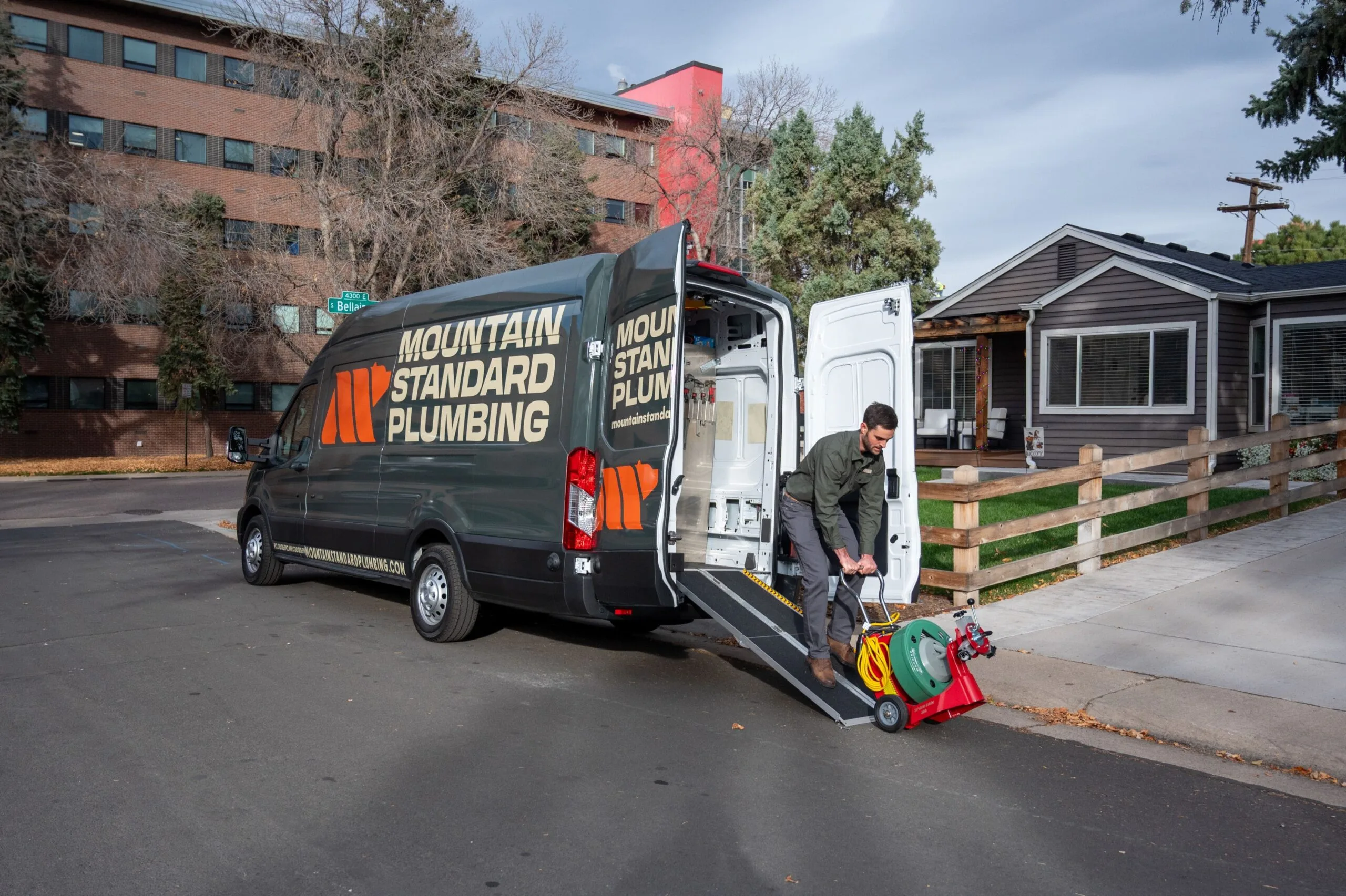
Taking care of our customers is at the heart of everything we do.
Local Plumbers. Professional Service.