
Proudly Servicing South Denver Metro


Rated 4.9 on Google
Water Line Repair & Replacement in Parker & Centennial, CO
Serving Greenwood Village, Parker, Centennial and Beyond!
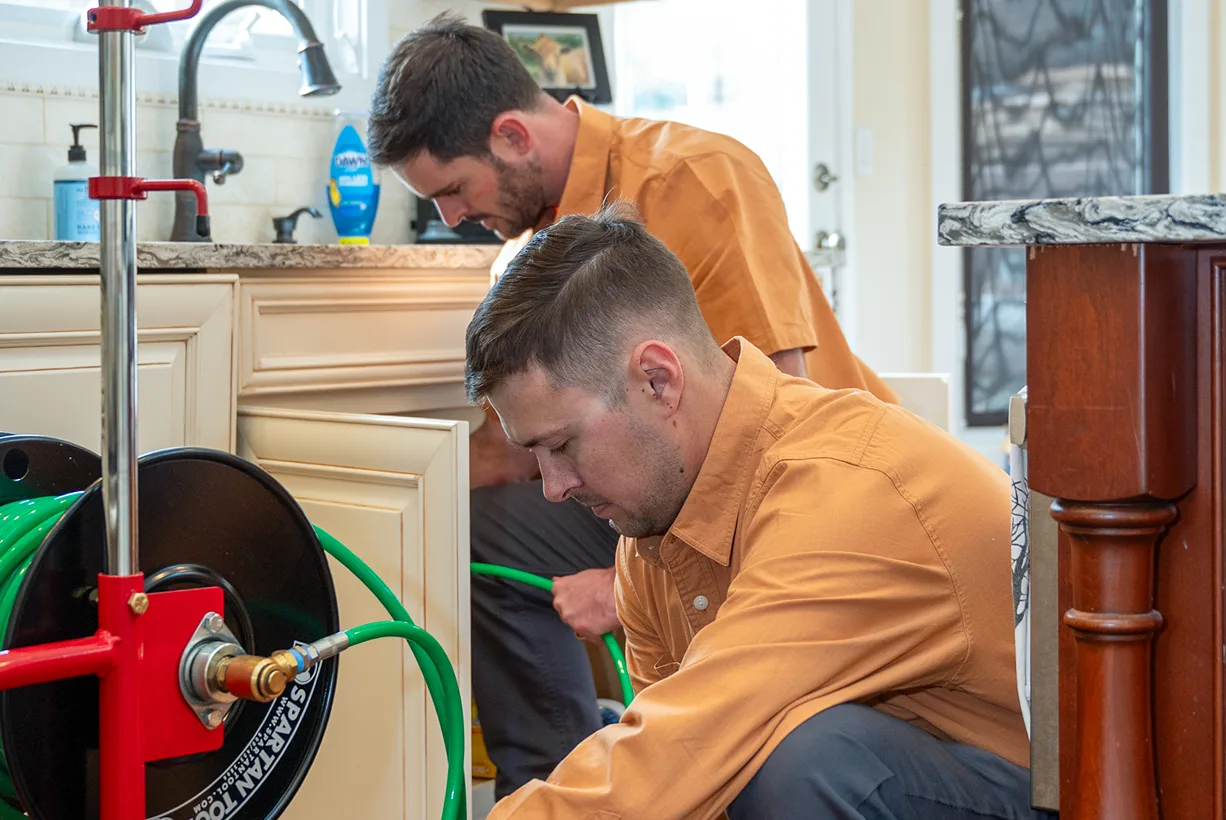
Mountain Standard Plumbing repairs and replaces water service lines for homeowners throughout the South Denver Metro. The service line is the buried pipe that carries water from the utility’s main to your house, and our work restores a reliable, leak-free supply through it.
Many homeowners are surprised to learn they own that line, often all the way from the main in the street. Here it sits about three feet or more underground in clay soil that swells, shrinks, and freezes each winter. On every job, we confirm where the problem is, what the line is made of, and whether repair or replacement makes more sense.
Our Water Line Repair and Replacement Process
A quick fix often means digging where water surfaces and patching the first leak found. Water travels underground, so the wet spot in the yard is not always where the pipe failed. A thorough job finds the actual failure point and assesses the rest of the line.
- Meter test: we check your meter with every fixture off to confirm water is leaving the system.
- Leak location: we use acoustic and line-locating equipment to pinpoint the leak before digging.
- Utility marking: we have buried utilities marked before any excavation.
- Material and condition: we identify whether the line is copper, galvanized steel, or plastic, and assess its condition.
- Repair or replacement: we repair the damaged section or install a new line at code depth.
- Testing and restoration: we pressure test the work, backfill in compacted layers, and restore the excavated area.
Before we dig, we explain where the leak is, what likely caused it, and which option fits your line, with a quote that spells out site restoration. If testing shows the leak is inside the house instead, our water leak detection and repair service takes it from there.
Seeing a wet spot in the yard or a jump in your water bill? Schedule a water line inspection and we will find the source before anyone digs.
Who Owns the Line
Homes across the South Denver Metro are served by a mix of city utilities and water districts, so ownership boundaries vary. In many areas the homeowner owns the entire line from the main to the house. In others, the district maintains the section up to the property line or curb stop.
We help you sort this out before work begins, because it decides who repairs which section and who pays. If the leak is on the utility’s side, we tell you so you are not paying for work that is not yours.
Clay Soil, Frost, and Buried Pipe
Much of the area sits on clay soil that swells when wet and shrinks as it dries. Wet springs, dry summers, and lawn irrigation keep it moving, which stresses buried pipe at fittings, at the meter pit, and where the line enters the foundation.
Frost adds another load. Lines laid shallow, or yards regraded after construction, can freeze in a hard cold snap or shift as the ground heaves. When we replace a line, we set it at the required depth and bed it properly so it tolerates soil movement and stays below the frost.
Repair or Replacement
A single leak on an otherwise sound copper or polyethylene line can usually be repaired by replacing the damaged section. That makes sense when the rest of the pipe is in good shape and the failure has a clear cause, such as a fitting that let go or a spot hit by a shovel.
Replacement makes more sense when the line is near the end of its life. Galvanized steel corrodes from the inside and restricts flow long before it leaks. Some homes built from the late 1970s through the mid-1990s have gray plastic lines that turn brittle and fail repeatedly. A second or third leak usually means more are coming, and we give you a straight answer about whether another repair will hold.
Trenchless and Open-Trench Options
Many homes here have mature landscaping and long driveways between the street and the house. A new line can often be pulled through the old one’s path or bored along a new route, limiting digging to a pit at each end. Cobble layers, tight bends, or crossing utilities can make open trenching the more reliable choice, and we explain which method fits your property before you decide.
Warning Signs Beyond a Puddle
A slow pressure drop throughout the house, one of the causes we walk through in low water pressure in Greenwood Village, can point to a corroded line, a partly closed shutoff, or a failing pressure-reducing valve. Other signs include rusty water at the first draw, a water bill that climbs without a change in use, or a soft, unusually green strip of lawn along the line’s path.
Our water carries enough minerals that scale inside the home’s piping can also choke flow, so we test before blaming the service line. A whole-house water softener can slow that buildup going forward, though it does nothing for a line that is already corroded. If the restriction is in the pipes inside your walls, our whole home repiping service addresses that separately.
What You Can Do as a Homeowner
A few habits help you catch problems early.
- Know where your main shutoff is and make sure it turns.
- Keep the curb stop box and meter pit lid clear of mulch and snow.
- Check your meter with every fixture off once or twice a year.
- Watch for soggy spots or small sinkholes between the street and the house.
- Have utilities marked before digging for fences or landscaping.
If water is surfacing in your yard or entering your basement, close the main shutoff and call us. Our guide to handling an active water leak covers what to do while you wait. If you cannot close it, contact your water provider to shut off service at the curb.
Call Us For A Thorough Plumbing Estimate.
Local Plumbers. Professional Service.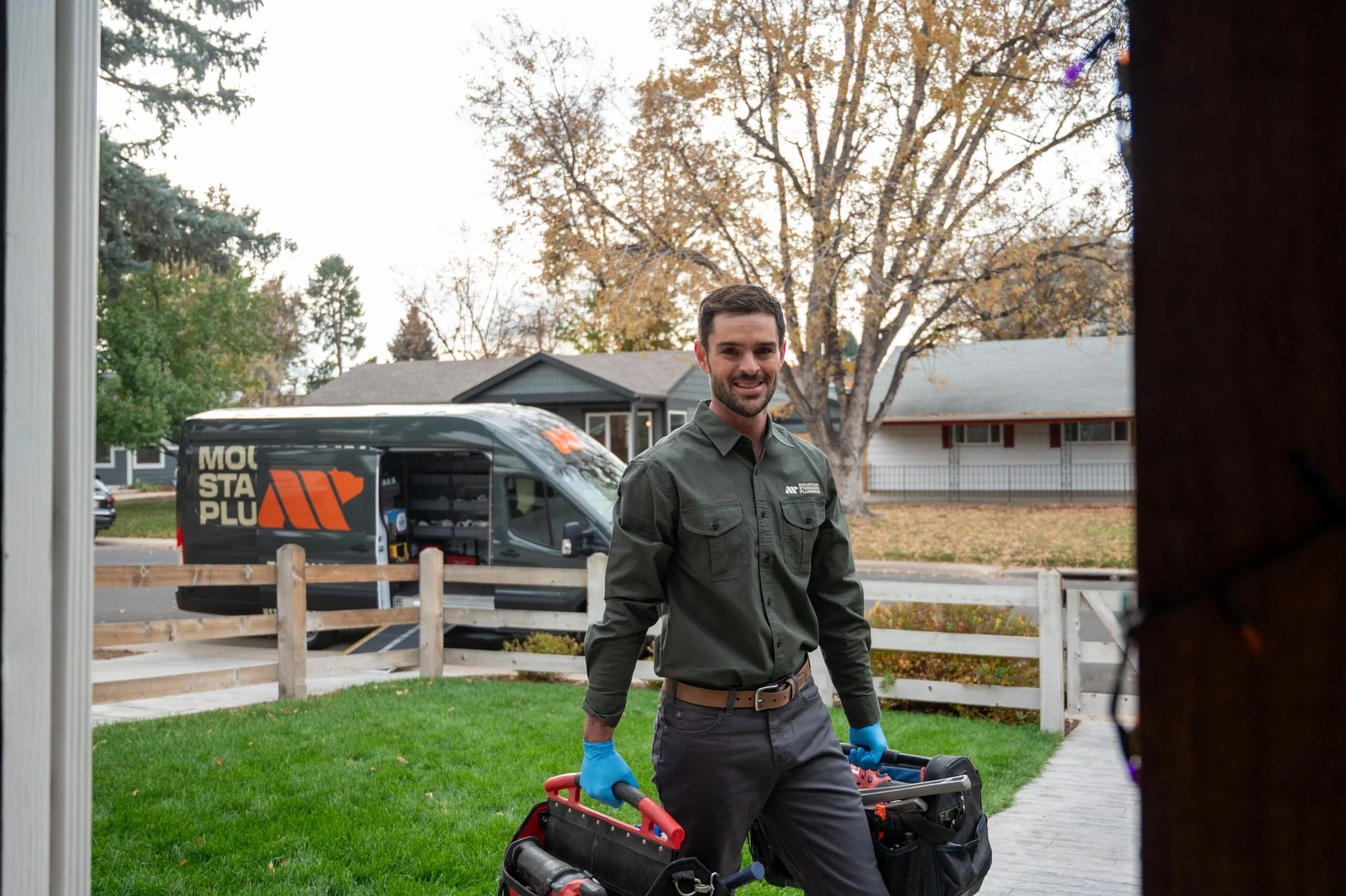

Schedule Water Line Repair or Replacement with Mountain Standard Plumbing
Contact Mountain Standard Plumbing or call today to schedule a water line inspection, repair, or replacement. We will locate the problem, explain what we find, and walk you through your options before any work begins.

$249
Boiler Tune-UpAvoid a no-heat emergency this winter. Our pre-season tune-up includes:
- Visual inspection to catch small issues early
- Heat exchanger cleaning
- Fernox F1 Express treatment to prevent rust and sludge
Limited to the first 20 homes. Book by 12/15/2026. Residential hydronic boilers only; steam boilers excluded. Service valves must be present. Flush/draindown not included. Cannot be combined with other offers. Must mention at time of booking. Restrictions may apply.
Expires: Nov 30, 2026
Expires: Nov 30, 2026
Contact Us
Frequently Asked Questions
What your neighbors in South Metro Denver are asking
Testimonials
See What your neighbors in Colorado are saying
What Customers Say
Customers consistently praise the exceptional professionalism, expertise, and honest communication delivered by the team, particularly Amanda and Gage, who take time to explain problems clearly, present fair pricing without surprises, and execute work with thoroughness and precision. The crew is noted for their responsiveness—often arriving same-day and completing projects efficiently—while maintaining a friendly, personable approach and keeping homes clean throughout the process. From water heater replacements and toilet installations to complex diagnostics that uncover hidden issues, customers appreciate the combination of technical knowledge, meticulous craftsmanship, and genuine care for doing things right.

Read All Reviews

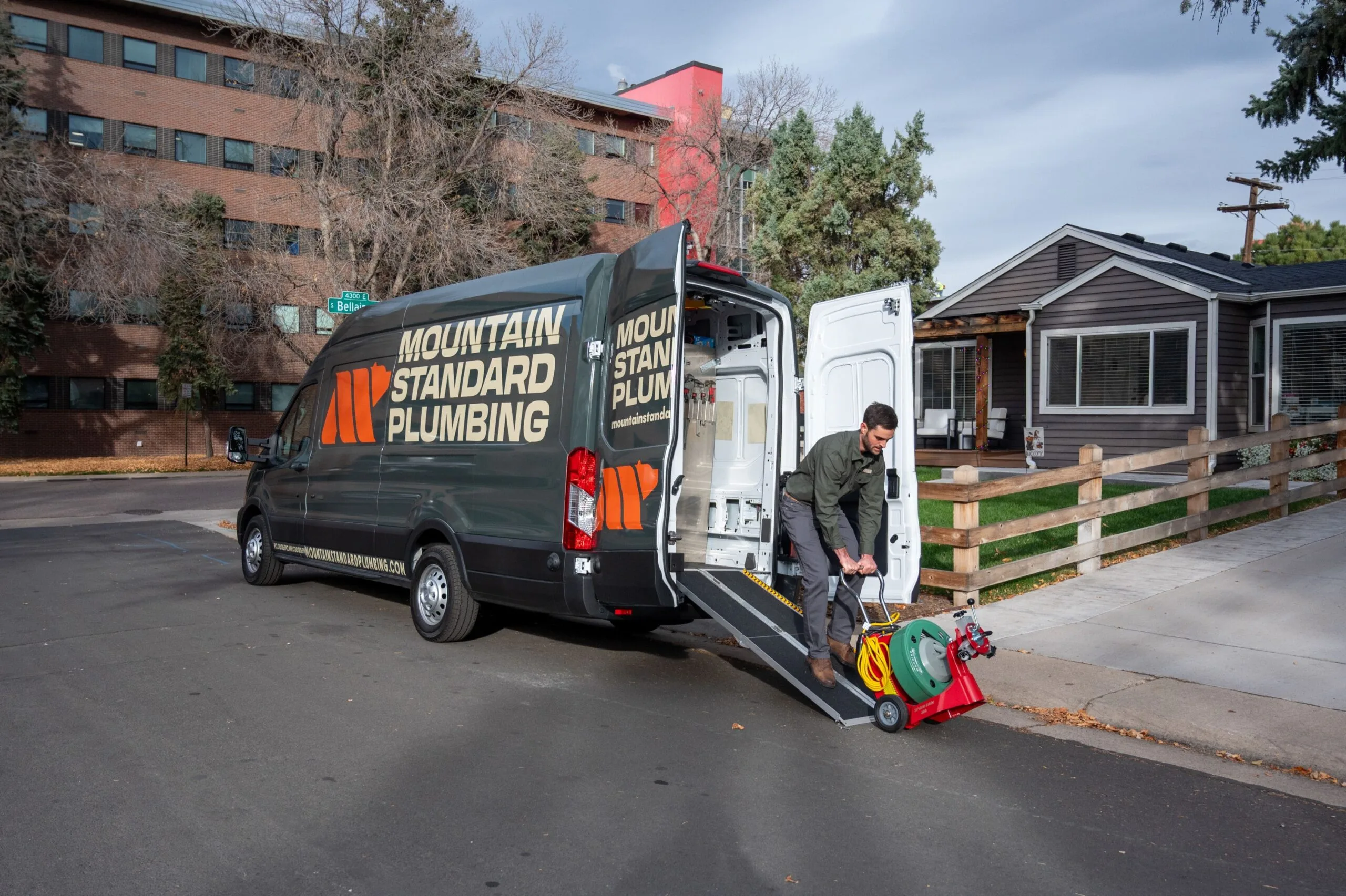
Taking care of our customers is at the heart of everything we do.
Local Plumbers. Professional Service.