
 (303) 395-2200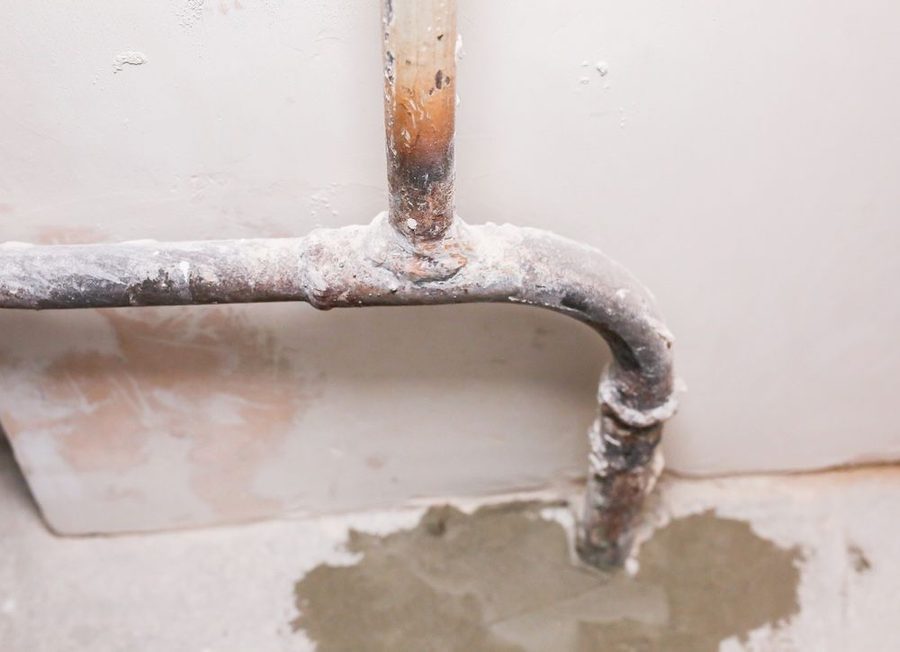
Summer in Centennial, Colorado, can bring beautiful sunny days, afternoon thunderstorms, and the occasional stretch of heavy rain. While the extra moisture may be welcome for lawns and gardens, it can create a very different situation below ground.
For homeowners with basements, summer storms can expose drainage problems, aging plumbing, sump pump issues, and foundation vulnerabilities that may otherwise go unnoticed. And once water starts making its way into a basement, a relatively small problem can quickly turn into damaged flooring, ruined belongings, and an expensive cleanup.
The good news is that many basement water problems can be prevented. A little preparation and knowing what to watch for can help Centennial homeowners protect their basements before the next big storm rolls through.
Why Are Centennial Basements at Risk of Flooding?
Basement flooding isn’t always caused by one dramatic plumbing failure. Often, several smaller issues combine to create a problem.
During periods of heavy rain, the soil surrounding a home can become saturated. Water naturally looks for somewhere to go, and cracks, poorly sealed openings, drainage problems, or an overwhelmed sump system can give it a path into the basement.
Homes in Centennial can also experience basement water from plumbing problems that have nothing to do with the weather. Leaking water heaters, failed supply lines, clogged drains, sewer backups, and damaged pipes can all send water into the lowest level of the house.
That’s why effective basement flooding prevention in Centennial should include both exterior drainage and the plumbing systems inside the home.
1. Test Your Sump Pump Before You Need It
If your Centennial home has a sump pump, don’t wait for a thunderstorm to find out whether it’s working. The sump pump collects water that enters the sump basin and pumps it away from your home before it can accumulate in the basement. When the system isn’t functioning properly, water can rise surprisingly quickly.
Before summer storms become an issue, check that:
-
The pump turns on and off correctly.
-
The sump pit is relatively clean and free of debris.
-
The float switch moves freely.
-
The discharge pipe isn’t clogged, damaged, or disconnected.
-
Water is being discharged far enough away from the foundation.
You can usually perform a basic test by carefully pouring water into the sump pit until the float rises and activates the pump. If the pump doesn’t start, struggles to remove the water, makes unusual noises, or continuously cycles, have it inspected.
2. Consider a Battery Backup Sump Pump
A powerful summer storm can create an unfortunate combination: heavy rainfall and a power outage. Unfortunately, that’s exactly when your sump pump may be needed most.
A battery backup system can continue removing water if your primary pump loses electricity. Depending on the setup, it may also provide an additional layer of protection if the primary pump fails or can’t keep up with incoming water.
If your basement is finished, contains valuable belongings, or has experienced moisture problems before, backup protection can be especially worthwhile.
3. Know When It’s Time for a New Sump Pump
Sump pumps don’t last forever. Their lifespan depends on the quality of the equipment, how frequently it operates, installation conditions, and maintenance.
Signs that your pump may need professional attention include:
-
Unusual grinding, rattling, or humming
-
Frequent cycling
-
A pump that runs continuously
-
Visible rust or corrosion
-
Water remaining in the sump basin when the pump should be operating
-
A pump that doesn’t activate during testing
-
Previous problems keeping up during heavy rainfall
If you’re searching for sump pump installation, choose a plumber who can evaluate the entire basement drainage setup rather than simply swapping out the equipment.
Professional sump pump installation in Centennial should account for the home’s drainage needs, pump capacity, discharge location, check valve, backup options, and the condition of the sump basin itself.
4. Check Where Your Sump Pump Discharges
Getting water out of your basement is only half the job. You also need to make sure it stays away. If a sump pump discharge line releases water too close to the foundation, that water may soak back into the surrounding soil and eventually return to the sump pit.
Walk around the outside of your home and locate the discharge point. Look for damaged piping, disconnected sections, obstructions, or areas where discharged water immediately pools near the house. A plumber can help determine whether the discharge configuration is contributing to recurring basement moisture.
5. Inspect Your Basement Plumbing for Small Leaks
Not every wet basement starts outside. Your basement may contain some of the most important plumbing equipment in your home, including water heaters, utility sinks, washing machine connections, drain lines, shutoff valves, and exposed piping. Take a few minutes to inspect these areas periodically.
Look for water stains, corrosion, dripping connections, damp spots, mineral buildup, or unexplained puddles. Even a small leak can cause significant damage if it continues unnoticed behind stored belongings or in a rarely used part of the basement.
Professional basement plumbing in Centennial, CO can help identify problems that aren’t immediately obvious to homeowners.
6. Pay Attention to Slow or Backed-Up Drains
A basement floor drain is easy to ignore until you need it. Slow drainage, gurgling sounds, unpleasant odors, or water backing up through a basement drain can indicate a larger drainage or sewer problem.
Don’t assume that water appearing around a floor drain during a storm is simply rainwater finding its way inside. It could indicate a clogged or compromised drainage system that needs professional attention.
Addressing warning signs early can be much easier than dealing with contaminated water backing up into a finished basement.
7. Keep Gutters and Downspouts Moving Water Away
Your plumbing system isn’t the only part of your home’s water-management strategy. Clogged gutters and poorly positioned downspouts can dump large amounts of water next to the foundation during Centennial’s summer storms. Once the surrounding soil becomes saturated, the chances of basement seepage can increase.
Clean debris from gutters and make sure downspouts direct water away from the foundation rather than allowing it to collect next to the house.
Also watch what happens during an actual rainstorm. Pooling water around the foundation can reveal grading or drainage problems that aren’t obvious on a dry day.
8. Know Where Your Main Water Shutoff Is
Sometimes basement flooding comes from inside the house.
A burst pipe, failed appliance connection, or leaking water heater can release a tremendous amount of water. Knowing how to shut off your home’s water supply can help limit the damage while you’re waiting for a plumber to arrive.
Locate your main shutoff before there’s an emergency and make sure other adults in the household know where it is. If the valve is difficult to operate, corroded, leaking, or inaccessible, have a plumber address the problem before you actually need it.
9. Don’t Ignore Previous Basement Water Problems
Try to determine where the water originated and what conditions were present when it happened. Did it occur after heavy rainfall? Did the sump pump fail? Was water coming through a floor drain? Was there a plumbing leak?
Simply drying the basement doesn’t necessarily correct the underlying problem. Recurring moisture deserves a closer look, particularly if you’ve finished the basement since the last incident.
10. Schedule a Basement Plumbing and Sump Pump Inspection
Prevention is usually much less disruptive than emergency cleanup. A professional inspection can help identify vulnerable plumbing connections, sump pump problems, drainage concerns, aging equipment, and other issues before they contribute to a flooded basement.
For Centennial homeowners, early summer is a practical time to have these systems checked, especially if your sump pump hasn’t been tested recently or you aren’t sure how old it is.
Protect Your Basement Before the Next Summer Storm
Colorado weather doesn’t always provide much warning. A sunny Centennial afternoon can quickly turn into a thunderstorm, and that’s not the ideal time to discover that your sump pump isn’t working.
Checking your sump pump, maintaining basement plumbing, watching for drainage warning signs, and addressing small leaks early can significantly reduce the risk of water damage.
If you’re concerned about basement flooding prevention in Centennial, need help with basement plumbing, or are considering sump pump installation, Call Mountain Standard Plumbing today at 720-970-3498 to schedule a professional evaluation before summer weather puts it to the test.
Don’t wait until there’s water on the basement floor to find out whether your system is ready.