
 (303) 395-2200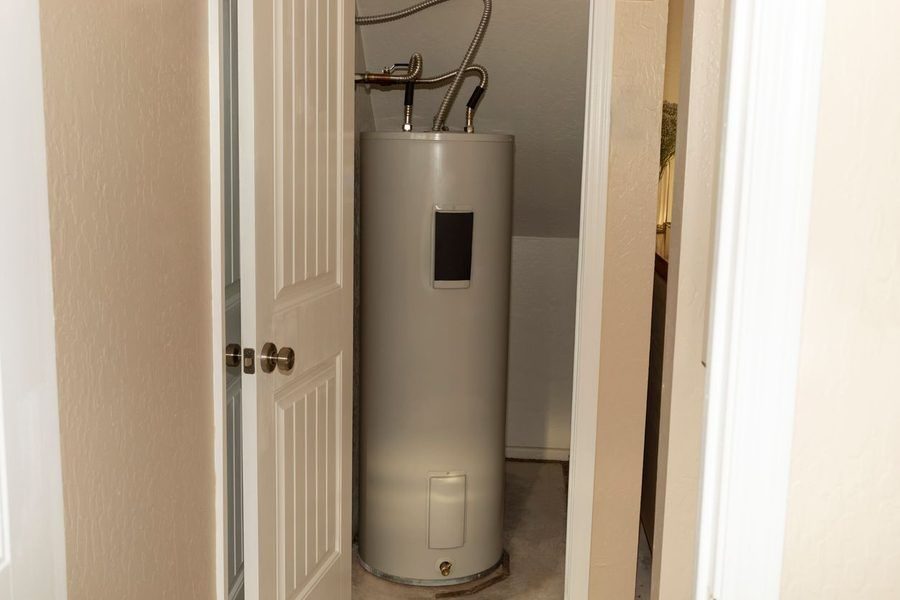
Having reliable, instant access to hot water is an absolute necessity for modern home life. From washing a stack of dinner dishes and running the laundry to enjoying a relaxing morning shower, your water heater works silently behind the scenes every single day. But for many homeowners and renters living along the Colorado Front Range, a sudden shift in water temperature or a pool of standing water in the utility closet can bring daily routines to a complete standstill.
Navigating a water heater breakdown can be frustrating, but ignoring the warning signs is a high-stakes gamble that risks catastrophic property flooding and high utility bills. Mountain Standard Plumbing has been keeping local households safe, comfortable, and supplied with hot water for years with master-level trade expertise. This comprehensive guide breaks down essential troubleshooting techniques, maintenance steps, and clear paths to restore your home’s hot water network cleanly and efficiently.
Water Tank Not Working: Primary System Diagnostics
When you turn on a faucet and receive nothing but an icy, disappointing stream of cold water, your water tank has stopped heating completely. Before assuming you need a costly, full-system replacement, run through a few basic diagnostic checks to pinpoint the source of the mechanical or electrical failure.
Checking the Power and Gas Supply Connections
If you operate an electric water heater, walk over to your home’s main electrical breaker panel and check if the dedicated two-pole breaker for the water heater has tripped. Electric heating elements draw heavy currents; a sudden power surge or a failing upper element can trip the breaker, shutting down the entire tank instantly.
If you own a gas water heater, check the gas control valve at the base of the unit. Ensure the knob is turned to the “ON” position, and check the small glass sight window to see if the pilot light is actively burning. If the flame has gone out, a dirty thermocouple or a clogged gas orifice is likely preventing the burner from igniting safely.
Inspecting Thermal Safety Reset Buttons
Electric water heaters feature a built-in High-Limit Safety Switch (often referred to as the red reset button) located behind the upper access panel on the side of the tank. This safety switch is engineered to trip and cut power to the unit if the internal water temperature exceeds 180°F. If the button has popped out, pressing it firmly back in may temporarily restore power, but a recurring trip indicates a grounded heating element or a faulty upper thermostat that requires immediate professional service.
Water Heater Running Out of Hot Water Fast
If your home still produces hot water, but the warm draft rapidly fades into a cold trickle halfway through a single shower, your system is suffering from a sharp drop in total operational capacity.
The Heavy Impact of Hard Front Range Water
In Centennial, our municipal water supply contains high levels of dissolved calcium and magnesium minerals. As your water heater cycles daily to warm this mineral-rich water, the minerals drop out of liquid suspension and settle directly onto the floor of the tank. Over several years, this mineral sediment creates a dense, rock-hard layer of limescale that can measure several inches thick.
This sediment acts as a thermal barrier, insulating the water inside the tank from the burner or lower electric element below. As a result, your system takes twice as long to heat up, holds far less usable hot water, and operates with severely degraded energy efficiency.
Broken Dip Tubes and Internal Bypass
Inside every conventional storage tank sits a plastic pipe called a dip tube. Its sole job is to route cold incoming city water straight down to the bottom of the tank so the burner can heat it. Over time, heat and chemical reactions can cause an old plastic dip tube to crack, snap, or disintegrate completely. When this happens, incoming cold water dumps straight into the top of the tank, diluting your hot water supply right at the outlet pipe and causing your shower to run cold almost instantly.
Apartment Hot Water Heater Not Working: Multi-Family Unit Guide
Living in an apartment, condo, or leased townhome presents a unique set of challenges when a water heater fails. Because apartment utility closets are often compact and shared structural walls amplify leak risks, diagnosing an apartment hot water issue requires extra care.
Navigating Space-Constrained Utility Closets
Apartment water heaters are frequently tucked inside tight hallway closets or laundry nooks. Because airflow is restricted in these small spaces, gas units can suffer from starved combustion air, causing pilot lights to blow out repeatedly. Furthermore, small electric apartment tanks (typically 30 to 40 gallons) carry much lower heating capacity, meaning even minor mineral buildup will destroy the unit’s ability to keep up with daily usage.
Lease Liabilities and Water Damage Prevention
If you rent your property, attempting complex DIY repairs or opening high-voltage electrical panels on a leased water heater can violate your lease agreement and create significant personal liability. If your apartment water heater leaks or stops working, locate the main cold water shut-off valve on top of the tank and turn it clockwise to prevent water damage to your floors and your downstairs neighbor’s ceiling. Then, document the issue and contact your property manager or a licensed trade professional immediately.
How to Fix Hot Water Tank Disruptions: Safe Remediation Steps
When a water heater shows signs of stress, performing a few targeted maintenance and minor repair procedures can often stabilize the system and restore reliable performance.
Flushing System Sediment and Mineral Scale
To clear out heat-trapping mineral sediment, you should perform a complete tank flush at least once a year:
-
Shut off the electrical breaker or turn the gas valve to “PILOT.”
-
Close the cold water supply valve on top of the unit.
-
Attach a standard garden hose to the brass drain valve at the base of the tank and run the opposite end to a floor drain or outdoor space.
-
Open a hot water faucet inside your home to relieve vacuum pressure, then open the drain valve to flush the cloudy, sediment-rich water out completely.
Replacing Worn Anode Rods
Inside every steel tank hangs a sacrificial anode rod—a long metal core wrapped in aluminum or magnesium. This rod is designed to attract corrosive elements in the water, rusting away over time so the steel tank itself does not corrode. Inspecting and replacing your anode rod every three to five years protects the internal lining of your tank and can double the overall operational lifespan of your equipment.
Hot Water Broken: When to Choose Repair vs. Replacement
Knowing whether to repair a faulty component or invest in a brand-new, high-efficiency water heater comes down to the overall age of the unit, the location of the failure, and the total cost of ownership.
If your water heater is under eight years old and experiencing a localized electrical or valve failure, replacing the failed component is usually the most cost-effective choice. However, if your tank is over ten years old, making loud rumbling noises, or actively leaking water from the base of the steel shell, the unit has reached the end of its structural lifespan. Continuing to sink money into an ancient, leaking tank is a dangerous gamble that invites sudden structural flooding and costly home restoration invoices.
Securing Safe, Efficient Hot Water for Your Property Asset
Taking a proactive approach to your home’s central plumbing and water heating infrastructure is the most effective way to eliminate sudden breakdown anxiety and lower your monthly energy expenses. While basic tasks like checking your temperature settings and keeping the space around your tank clear of storage boxes are excellent household habits, diagnosing high-voltage electrical shortages, replacing gas control valves, and executing full-system line installations requires specialized commercial tools and licensed trade certification.
Continuing to run a damaged, scale-choked water heater is a costly mistake that guarantees inflated utility bills, ruined flooring, and sudden cold showers. Making the proactive choice to schedule a professional maintenance tune-up or digital plumbing evaluation ensures your equipment operates at peak factory efficiency, extends your system’s operational lifespan, and keeps your property supplied with clean, hot water through every season of the year.
Connect with the Plumbers at Mountain Standard Plumbing
You do not have to deal with sudden cold showers or worry about hidden water leaks on your own. The friendly, fully licensed team at Mountain Standard Plumbing specializes in comprehensive water heater repairs, tankless system conversions, and rapid emergency plumbing services across Centennial, Denver, and the surrounding Front Range communities. Let our team restore perfect, steady hot water to your home or apartment today.
Give us a quick phone call to get your professional service visit scheduled!